Table of contents
Dance holds a unique place in shaping and reflecting global pop culture, continually bridging cultural divides through expressive movement. Across continents, dance trends sweep through societies, influencing music, fashion, and even social values. Dive deeper to uncover how dance remains at the heart of pop culture’s evolution, and why its influence endures across generations.
The origins of dance trends
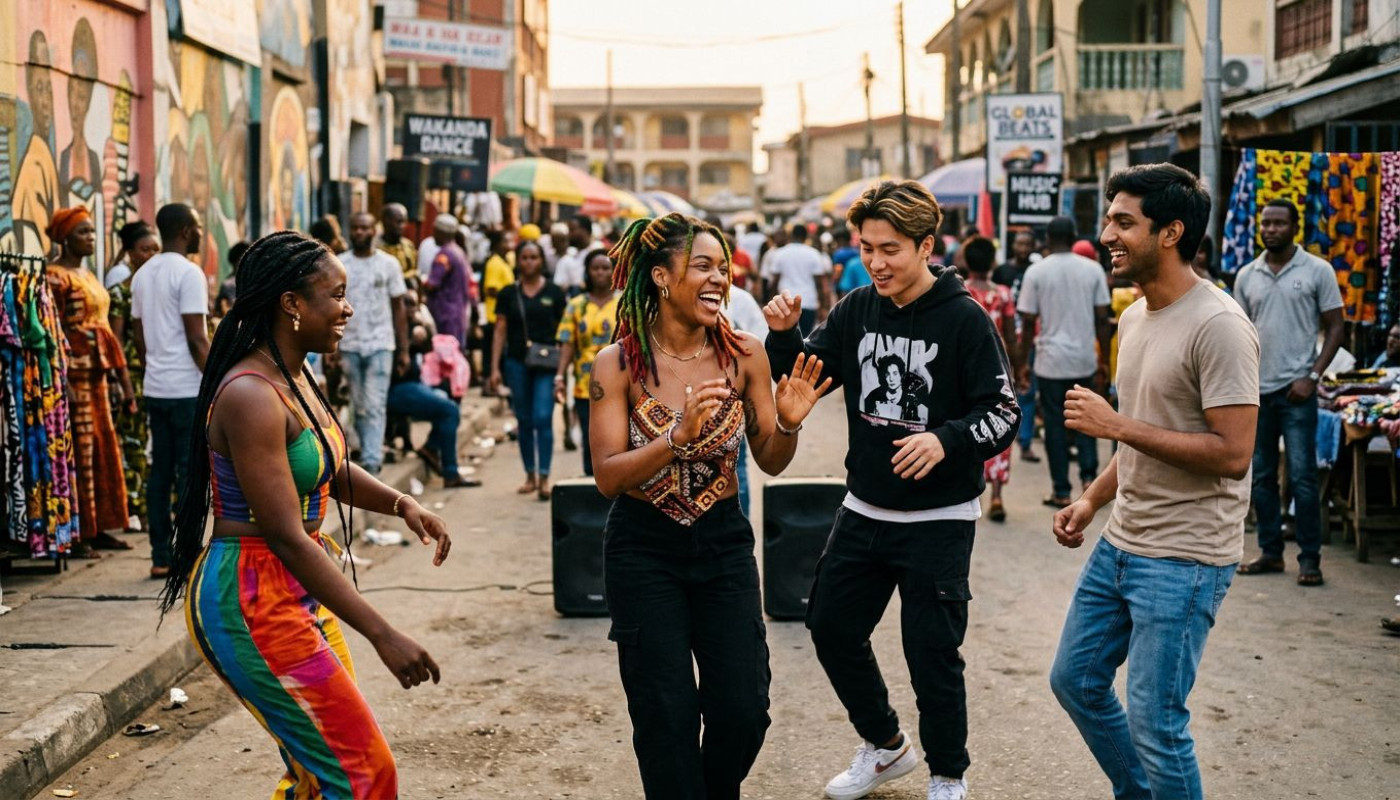
Dance history reveals a vibrant tapestry of styles originating from diverse regions, reflecting local customs and values before transcending borders. Africa contributed energetic street dances, Latin America introduced sensual rhythms like salsa and reggaeton, while Eastern traditions such as K-pop choreography and Bollywood have captivated worldwide audiences. Global dance origins highlight how movement traditions are shaped by regional identity and then shared across societies. With the rise of social media and entertainment platforms, cultural diffusion has accelerated, allowing dances like the Harlem Shake, Dab, or Jerusalema to turn into worldwide dance trends within days. Pop culture influences quickly adapt and remix these styles, often blending traditional elements with new, innovative moves. This dynamic exchange not only broadens the appeal of dance but also fosters a deeper understanding of different cultures, cementing dance as a powerful force in shaping global pop culture.
Dance as a language
Across continents and cultures, dance serves as a universal dance language, offering a unique form of nonverbal communication that goes beyond spoken words. Expressive movement in dance transcends linguistic boundaries, enabling individuals from vastly different backgrounds to connect through shared rhythms and gestures. The art of dance storytelling allows emotions, histories, and cultural values to be communicated in a vivid form accessible to both participants and spectators. This global connection is not limited by age, nationality, or spoken dialect; instead, it thrives on the innate human ability to interpret and respond to movement and rhythm on a deeply intuitive level. Through this process, dance becomes a powerful tool for fostering unity and mutual understanding in diverse communities, highlighting its significance in the landscape of global pop culture.
Research by leading dance psychologists underscores the role of dance in facilitating social cohesion and empathy among groups. When individuals participate in or witness expressive movement, their brains often mirror the observed actions, triggering emotional responses that foster shared understanding. This capacity for nonverbal communication is why dance functions effectively as an international bridge, connecting millions around the world through collective experiences. Whether performed in traditional rituals or contemporary pop settings, dance storytelling continues to shape cultural narratives and reinforce the enduring bond between people, reaffirming its role as a dynamic force in global society.
Influence on fashion and identity
Dance and fashion have long maintained a dynamic relationship, with each constantly influencing the direction of the other. When new dance styles emerge—whether hip-hop, voguing, or K-pop choreography—they often bring with them distinctive sartorial expressions that quickly translate into global pop culture trends. Streetwear, brightly colored athletic wear, and unconventional accessories have all been popularized thanks to the visibility of dancers in music videos, performances, and social media. These fashion choices do not simply serve as decoration; they enable both performers and fans to connect with the ethos of a particular dance movement, reinforcing dance identity and adding fresh elements to contemporary style.
Communities worldwide adopt dance and fashion as intertwined forms of cultural self-expression, drawing from shared movements and aesthetics to assert individuality and group belonging. The technical term sartorial expression is crucial to understanding how clothing, chosen specifically for certain dances, becomes embedded in personal and collective identities. For example, the baggy pants and sneakers typical of breakdancers are not just practical for movement but also communicate affiliation with the breakdancing community and its values. In the sum, sartorial choices reflect deeper cultural narratives, allowing people to visually and physically embody their connection to dance and fashion while showcasing their place in the evolving landscape of pop culture trends.
The continual exchange between dance and fashion demonstrates how popular movements extend beyond performance into everyday life, shaping how individuals navigate social spaces and self-presentation. Dance identity, expressed through track suits or glittering costumes, signals more than participation in a trend; it conveys personal stories, social commentary, and solidarity with larger cultural movements. As global pop culture becomes increasingly connected, these elements of sartorial expression serve as both a recording of history and a medium for ongoing innovation in cultural self-expression, guided in part by insights from leading fashion sociologists and experts in performance arts.
Technology's role in dance evolution
Technology in dance has fundamentally altered the landscape of pop culture, shaping how choreography is created, experienced, and shared. The rise of digital choreography allows artists to design, edit, and perfect routines using advanced software, combining visual effects and motion capture to experiment beyond traditional techniques. This shift has fostered a virtual dance culture, where performances are no longer confined to physical stages but can be broadcast globally in real time. Dancers and choreographers now leverage online dance trends, using platforms like TikTok, Instagram, and YouTube to ignite viral routines, spark global challenges, and inspire collaborative works across continents.
Online dance trends are fueled by the ease of instant sharing, enabling both amateurs and professionals to gain exposure and feedback at unprecedented speed. Digital platforms encourage innovation, as choreographers can integrate multimedia elements, augmented reality, and interactive features into their routines. This digital evolution has democratized dance, making once-exclusive genres accessible to anyone with an internet connection, and encouraging cross-cultural fusion that enriches the art form. The process of global dance sharing has been accelerated by algorithms that recommend content based on user preferences, expanding the audience for styles like K-pop, hip-hop, and contemporary dance.
The trend toward virtual dance culture is exemplified in the way K-pop influences spread internationally, reaching millions who then recreate and reinterpret routines at home. For a detailed description of a niche phenomenon where digital media meets K-pop dance, visit description. As a leading dance technologist with expertise in digital media, it is evident that technology in dance not only reshapes choreography but also forges new communities, allowing individuals to connect, collaborate, and innovate without borders.
Societal impact of viral dance
Viral dance movements have reshaped social behaviors worldwide, forging new avenues for community engagement and fostering connections across diverse backgrounds. By circulating rapidly through digital platforms, these social dance movements encourage individuals to participate, imitate, and innovate, breaking down geographical and cultural barriers. The viral dance impact extends beyond mere entertainment, as these trends often become powerful tools for self-expression and collective identity. Public events and spontaneous gatherings frequently arise from viral dance waves, transforming shared spaces into hubs of unified activity and enhancing the social fabric of communities.
The concept of participatory culture is central to understanding the dynamics of dance and society in a digital world. Participatory culture, characterized by active audience involvement, positions individuals not just as consumers but as co-creators of content, which is especially evident in the spread of social dance movements. This engagement promotes solidarity, as groups rally around shared challenges, causes, or cultural themes expressed through dance. Viral dance impact has even been harnessed to promote social change, with movements raising awareness for social issues or supporting charitable initiatives. By using the language of movement, these dances transcend words, enabling widespread engagement and facilitating dialogue across societal divides.
Similar articles
Can Cultural Integration Tip The Scales In Borderline Cases?

How To Effectively Use Free Software For Managing Nonprofit Memberships

How to capture the unique beauty of your iris in photos?

Tips for selecting a good yacht crew

Why choose a licensed and regulated online gaming site?

What are the tips for a better defense in the game plinko ?

Some reasons to use a cosmetics guide

What are the advantages of Chatbot GPT ?

Some tips for preparing Santa's pancakes

The Bossa-Nova rhythm : what do you know about its advantages and uses?

Tips to make your food truck popular

What are the most beautiful places in the world to visit by hot-air balloon ?

Need a driver or a luxury car?

Adrian Cheng, the businessman who is revolutionizing Hong Kong’s cultural life

Learn to play the handpan the easy way

What do you need to know about patterns of trend reversal candlesticks?

Why follow the news regularly?

All you need to know about PC battery life

Using Pancakeswap: what should you know?

What is the importance of a time lapse camera on construction sites?

3 major tips to buy BOHO shorts

Strategies to play poker well

Why choose the wecasa home beauty service?

What to know about the two filmmakers Laurel and Hardy

Best Online Dating Sites

How to start bodybuilding from scratch ?

How to organize a decent birthday party?

When your lost cat gets back home, do these.

What should you know about cervical mucus?

Top tips for finding a good e-commerce marketing agency

What does letrozole do?

How to plan a good party ?

How to organise a birthday party at home?

What are the requirements for renting a beautiful car in St Barths?

How do I get a Visitax receipt?

What is money management in trading?

What is a brand strategy?

Used product sales website: the best alternative for your purchases

Custom t-shirts: what to know?

Business phone system: what you must know.

Sleep apnea: A non-well-known disorder.

The story of three powerful women.

The apple firm and Parkinson's disease.

Nobel Peace Prize: The ultimate honor a person can receive.
