Table of contents
Modern forestry equipment is transforming the way forests are managed, making it possible to balance economic needs with ecological responsibility. This topic explores how advanced machinery and innovative technology support sustainable forestry practices, reduce environmental impact, and help preserve natural resources for the future. Dive into the following sections to discover the essential role of modern equipment in achieving a greener, healthier planet.
Precision logging reduces waste
Precision logging, now prevalent in sustainable forestry, leverages advanced GPS forestry technology and real-time data analytics to dramatically reduce wood waste and promote responsible forest management. By integrating selective harvesting techniques and the technical methodology of variable retention harvesting, modern forestry equipment allows for the identification and removal of only those trees that meet specific ecological, age, or health criteria. This targeted approach not only ensures wood waste reduction but also preserves the surrounding ecosystem, maintaining biodiversity and soil integrity. GPS-guided machinery aids operators in navigating complex forest terrains with accuracy, mitigating the risk of unnecessary damage to non-target trees and understory vegetation. In sustainable forestry, data-driven decision-making is prioritized, enabling forest managers to balance economic goals with long-term forest health. Through these innovations, precision logging supports a future where human needs and environmental stewardship coexist, minimizing the ecological footprint associated with timber extraction.
Soil protection and reduced compaction
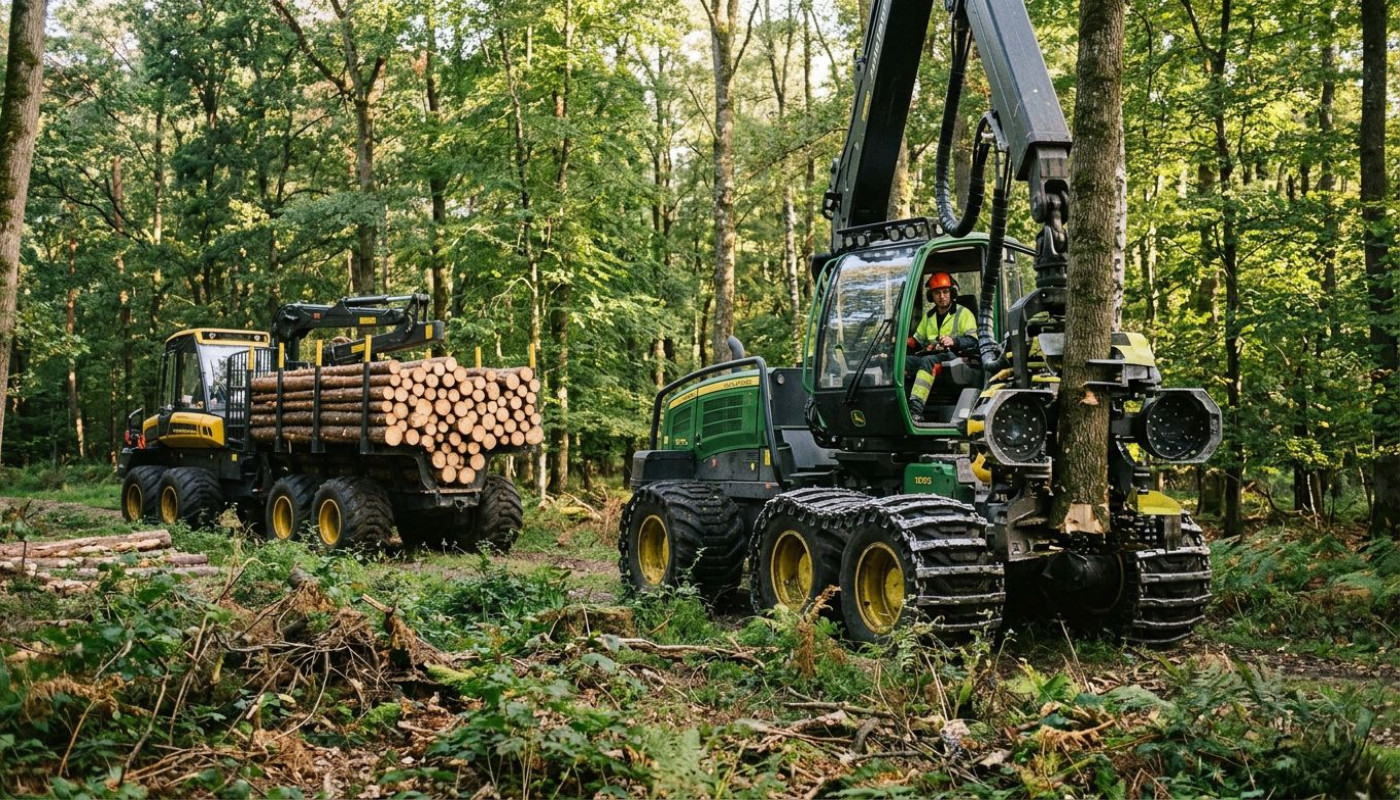
Modern forestry equipment incorporates advanced engineering to ensure soil protection during harvesting and timber extraction. Machines are now frequently outfitted with low ground pressure tracks and specially designed tires, which effectively distribute the weight of heavy machinery over a broader surface area. This innovation is intended to prevent excessive increases in soil bulk density, a technical factor that directly influences soil compaction. Reduced soil compaction is vital for maintaining the natural structure and porosity of the ground, which supports water infiltration, root growth, and nutrient cycling—all key elements for ongoing forest regeneration. Healthy soil ensures that new plants can establish robust root systems and that ecosystems remain resilient to environmental changes. In light of these advancements, a certified forest engineer is requested to offer expert insight into how these equipment improvements are transforming sustainable forestry practices and safeguarding ecosystem health.
Lowering emissions with cleaner engines
Recent advancements in engine technology have significantly improved low emissions forestry operations, making modern forestry equipment much more environmentally responsible. Fuel-efficient equipment is now engineered to maximize energy output while minimizing fuel consumption, leading to reduced greenhouse gas release and supporting broader forestry sustainability goals. The introduction of alternative fuels such as biodiesel and renewable diesel further decreases the carbon footprint, offering a cleaner alternative to traditional petroleum-based options. Innovative emission control systems, including diesel particulate filters and advanced catalytic converters, actively target and reduce pollutants, specifically focusing on particulate matter reduction—a critical aspect for maintaining air quality in forest environments.
Environmental technology specialists highlight that these improvements not only help meet regulatory requirements but also foster healthier ecosystems by limiting the impact of machinery on sensitive habitats. Such technologies extend the life of forestry equipment, enhance operational efficiency, and lower maintenance costs, all while promoting sustainable practices. For those seeking more tips here on integrating fuel-efficient equipment and low emissions solutions into forestry operations, valuable resources are available to support informed decision-making and environmental stewardship.
Protecting wildlife habitats
Modern forestry equipment plays a pivotal role in wildlife habitat protection by enabling operators to plan and execute sustainable logging practices with extraordinary precision. Advanced machinery equipped with GPS and digital habitat mapping tools lets forestry professionals accurately identify sensitive areas, ensuring that crucial zones for biodiversity are left undisturbed during operations. The continuous development of noise-reducing technology in modern forestry also reduces the disruption to local fauna, allowing species to maintain their natural behaviors and decreasing the risk of wildlife displacement. Careful planning and use of habitat mapping not only support the conservation of existing ecosystems but also facilitate ongoing monitoring efforts, which are vital for sustaining biodiversity in the face of logging activities. Integrating these technologies and strategies into modern forestry ensures that sensitive areas receive the protection they require, paving the way for truly sustainable logging practices that prioritize wildlife habitat protection at every stage. For a nuanced perspective on these practices, the wildlife conservation manager should author this section, providing technical insight into the application and impact of these innovations.
Enhancing monitoring and data collection
Modern forestry equipment increasingly relies on advanced integration with sensors and remote sensing technologies, transforming the landscape of forestry monitoring and data-driven forestry. With the adoption of sophisticated data management systems, forestry professionals can gather accurate real-time data on forest composition, growth rates, biodiversity, and threats such as pests or illegal logging. These technologies enable adaptive management by allowing practitioners to respond promptly to rapidly changing conditions, thereby supporting sustainable forest management practices. Real-time data collection tools, coupled with remote sensing, help create detailed maps and models, leading to more informed decision-making for resource allocation, conservation efforts, and harvesting schedules. The synergy between high-tech forestry monitoring devices and robust data analysis platforms ensures that long-term sustainability goals are met while maximizing the ecological and economic benefits of forests.
Similar articles

The Future Of Earning Through Gaming: What's Next?

Future Trends In AI-Driven Graphics: Implications For Creative Industries

Exploring The Impact Of Futuristic Aesthetics On Modern Streetwear

Crypto trading bots : why and how to use them to optimise your investments
